
How a New Driveway Adds Value to Your Westwood, MA Home
· By RG Sealcoating
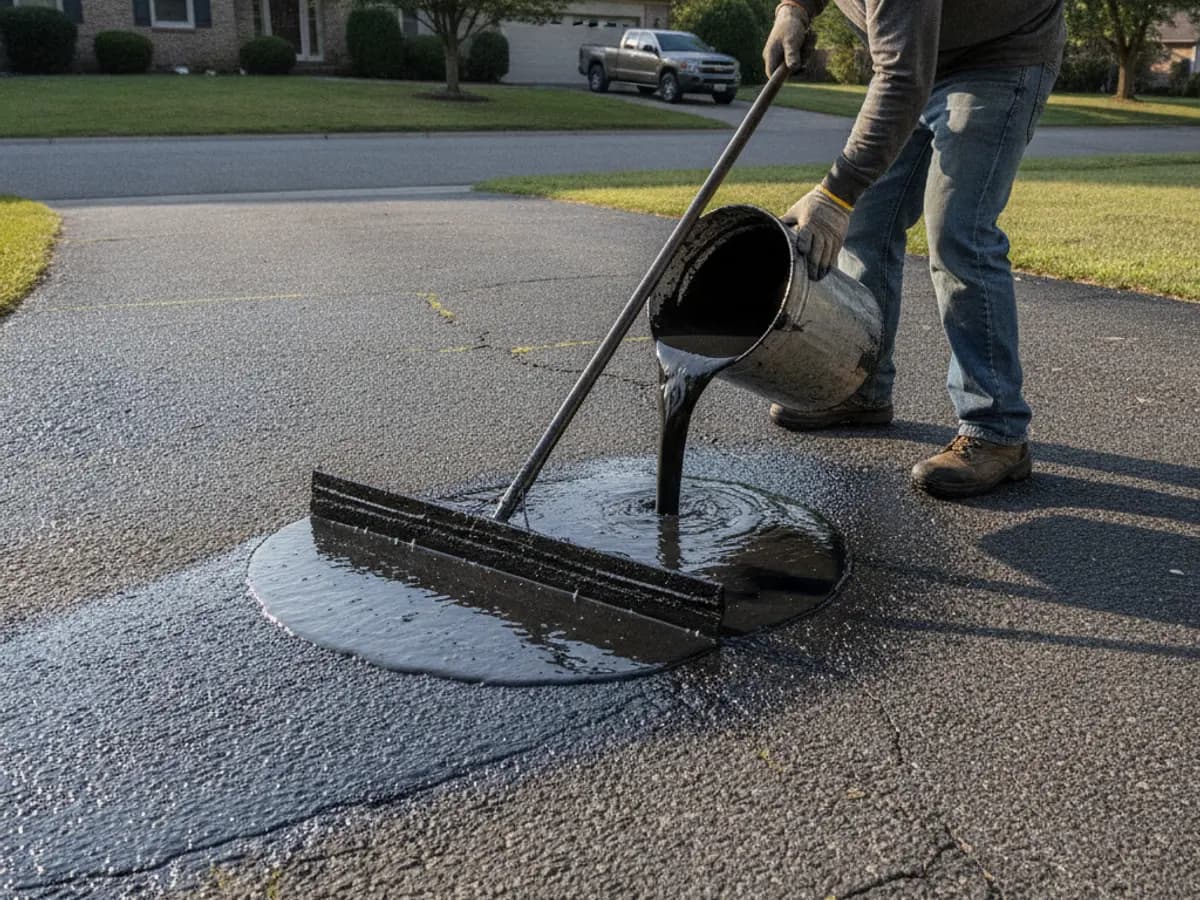
In a town like Westwood, the driveway does more work than most homeowners give it credit for. It is the first surface a visitor steps onto, the frame around the front of the house, and often the single largest piece of hardscape on the property. On the tree-lined streets off High Street and near the Islington and University Station areas, homes are kept to a high standard, and a cracked, faded, or patchwork driveway stands out for the wrong reasons.
The good news is that a driveway is also one of the more approachable ways to raise how a Westwood home looks and, over time, what it is worth. You are not gutting a kitchen or adding a room. You are improving a surface that every person who pulls up to the house will see and use, and that a home inspector and appraiser will note.
This guide walks through how a new or restored driveway affects curb appeal, resale value, and return on investment in Westwood specifically, and how to protect that investment once the work is done so it keeps paying off year after year.
Curb appeal starts at the curb, and in Westwood the bar is high
Westwood consistently ranks among the more desirable towns in Norfolk County, and that reputation shows up in how properties are maintained. Lawns are edged, trim is painted, and shrubs are shaped. A driveway that is crumbling at the edges or blotched with old sealer patches breaks that visual rhythm the moment someone turns into the drive.
A clean, uniform asphalt surface reads as care. Buyers, neighbors, and even delivery drivers register it without thinking about why. When the driveway matches the standard of the house and the street, the whole property feels tighter and more finished. When it does not, people start wondering what else has been let go.
This matters more in Westwood than in towns with a wider mix of housing conditions. Because so many homes here are well kept, a tired driveway is not average, it is the exception, and it draws the eye. For a homeowner planning to sell, that first impression can set the tone for an entire showing.
How a driveway moves the needle on home value
Appraisers and agents do not assign a single line-item dollar figure to a driveway the way they might to a bathroom. What a strong driveway does is support the overall condition rating of the property and remove a reason for buyers to negotiate down.
When a buyer sees fresh, intact asphalt, they mentally cross "repave the driveway" off their to-do list. A cracked or sinking driveway does the opposite: it becomes a bargaining chip, and buyers often overestimate what a fix will cost. That gap between real cost and buyer perception is money that comes out of your sale price.
In the Westwood market, where buyers are paying a premium and expecting a move-in-ready home, a driveway in poor shape can quietly cap what people are willing to offer. A driveway in good shape simply lets the rest of the home make its case.
Understanding the return on investment
Return on a driveway comes in two forms. The first is the resale bump and smoother negotiation described above. The second, and often the larger one over time, is the money you avoid spending later by not letting the surface fail.
Asphalt that is installed well and maintained can serve a home for many years. Asphalt that is neglected can need full replacement far sooner, which is a much bigger expense than the periodic care that would have prevented it. So the true ROI is not just what a buyer will pay, it is the replacement cost you push years down the road.
Cost varies with the size of the driveway, the condition of the base, drainage, and access. Rather than guess, it is worth getting a free estimate for your specific property, because a long shared driveway off a Westwood side street and a short single-car apron are very different jobs. Most Westwood driveways typically fall within a normal residential range, but the honest answer for your home comes from a look at the actual surface.
New pavement versus restoring what you have
Not every Westwood driveway needs to be torn out and repaved. In many cases the existing asphalt is structurally sound and simply looks worn, or has surface cracks that can be filled before they spread. Knowing which situation you are in is the difference between spending on a full replacement and spending far less on restoration.
If the base is stable and the damage is cosmetic or limited to cracks, crack filling and sealcoating can bring the surface back to a deep, uniform black and stop water from getting underneath. If the driveway is sinking, alligator-cracked across large areas, or draining poorly, repair or replacement of those sections is the smarter long-term move.
A driveway company that walks your property should tell you plainly which category you fall into rather than pushing the biggest job. For homeowners near University Station and the newer developments, where driveways may be relatively young, restoration is often all that is needed to keep them looking new.
Westwood weather is hard on asphalt
Eastern Massachusetts puts driveways through a punishing cycle. Water works into small cracks, freezes over the winter, expands, and pries the crack wider. Then spring thaw, road salt tracked up from the street, and summer UV all take their turn. Left alone, a hairline crack in October can be a real problem by the following year.
This freeze-thaw pattern is the single biggest reason Westwood driveways deteriorate. It is also why timing matters: sealing and crack filling are most effective when done before winter locks in the damage, and when the surface is clean and dry enough to bond.
A driveway that is sealed on a sensible schedule shrugs off much of this. Water beads and runs off instead of soaking in, salt has less to grab onto, and the surface stays flexible instead of going brittle. That is how a Westwood driveway holds its value through New England seasons instead of losing ground every winter.
Protecting the investment after the work is done
A new or restored driveway is not a set-it-and-forget-it improvement. The single most valuable habit is periodic sealcoating, which renews the protective top layer and keeps the asphalt from drying out and cracking. Think of it the way you think of repainting trim: routine care that costs a fraction of replacement.
Between sealings, small steps go a long way. Fill new cracks before they widen, keep heavy point loads such as dumpster corners or trailer jacks off the surface, and clear standing water and debris so nothing sits and works its way in. Oil and gas drips should be cleaned promptly, since they soften asphalt over time.
Handled this way, a driveway keeps doing its quiet job: framing the house, signaling care to anyone who pulls up, and holding its share of the home value you have built. If you are weighing new pavement, restoration, or a maintenance plan for your Westwood driveway, a free estimate is the simplest way to see what your surface actually needs.
Frequently asked questions
- Does a new driveway really add value to a Westwood home?
- Yes, though usually as part of overall condition rather than a single line item. In Westwood, where homes are well maintained and buyers expect move-in-ready properties, a fresh driveway removes a common negotiating point and supports a higher condition rating, while a failing one invites buyers to bargain down. Get a free estimate to see the shape your surface is in.
- Should I repave or just sealcoat my existing driveway?
- It depends on the base. If the asphalt is structurally sound and only looks worn or has surface cracks, crack filling and sealcoating can restore it for far less than replacement. If it is sinking, badly alligator-cracked, or draining poorly, repair or replacement of those areas is the better long-term choice. A walk-through of your specific driveway is the only reliable way to tell.
- How much does driveway paving in Westwood, MA cost?
- Cost depends on size, base condition, drainage, and access, so a long shared driveway and a short single-car apron price very differently. Most Westwood driveways typically fall within a standard residential range, but the accurate number for your home comes from a free on-site estimate rather than a general figure.
- When is the best time to sealcoat or repair a driveway in Westwood?
- The most effective window is before winter, while the surface is still clean and dry enough for the sealer to bond, and before freeze-thaw cycles widen existing cracks. Sealing and crack filling ahead of the cold season is how you stop water from getting underneath and freezing, which is the main cause of driveway damage in eastern Massachusetts.
- How often should a Westwood driveway be sealcoated?
- On a periodic schedule that renews the protective top layer before the asphalt dries out and cracks. The exact interval depends on how the driveway is used, sun exposure, and how much salt reaches it in winter. Filling new cracks promptly between sealings and keeping standing water and debris off the surface extends the life even further. Ask for a free estimate to set a schedule for your driveway.
Related services
Serving
Ready for an exact price?
Get a free, no-pressure in-home estimate. Real numbers for your home, not a phone guess.